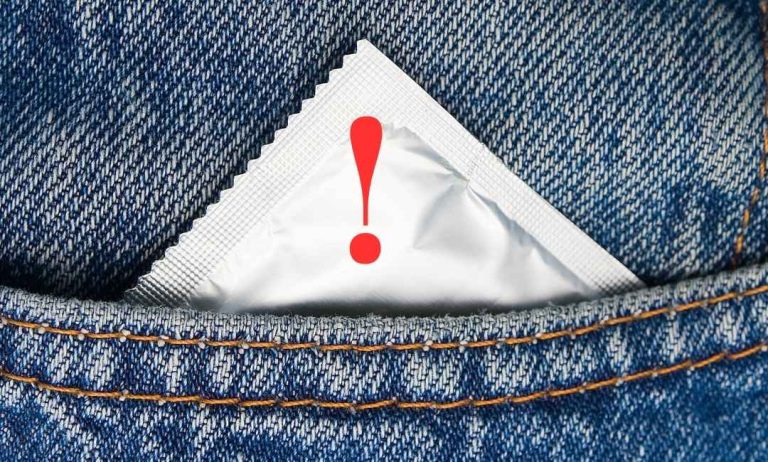
A growing shortage of condoms and family planning commodities in Kenya is raising alarm across the Nyanza region, with health experts warning that the crisis could trigger a rise in HIV infections, unintended pregnancies, and pressure on already strained healthcare facilities in Kisumu and neighboring counties.
The shortage comes after the Kenya Medical Supplies Authority (KEMSA) confirmed that stocks of essential reproductive health supplies, including condoms, injectable contraceptives, and family planning pills, have dropped below the approved minimum stock levels, with some commodities already depleted.
According to health sector stakeholders, the shortage has largely been caused by global supply chain disruptions linked to ongoing international conflicts and instability affecting manufacturing, shipping, and donor-funded health programmes worldwide.
The disruptions have significantly increased the cost of importing condoms and reproductive health commodities into Kenya, making procurement more difficult for both government agencies and health partners.
Several pharmacies and private suppliers in Kisumu and other parts of Nyanza have already reported rising prices of popular condom brands due to increased demand and limited supplies.
Public health experts warn that the rising costs could lock out low-income earners, especially young people who rely on free or subsidized condoms distributed through public hospitals and health centres.
Health experts fear that the shortage could reverse years of progress made in HIV prevention efforts, particularly in the Nyanza region, which continues to record some of the highest HIV prevalence rates in Kenya.
Latest data from the National Syndemic Diseases Control Council (NSDCC) and the Ministry of Health shows that counties in the former Nyanza region remain among the most affected by HIV infections.
These figures remain significantly higher than Kenya’s national HIV prevalence average.
Public health specialists warn that reduced access to condoms in Kisumu and the wider Lake Region could accelerate new HIV infections among vulnerable groups including:
For years, public hospitals and donor-supported clinics in Kisumu, Homa Bay, and Siaya have relied heavily on a stable supply of condoms and contraceptives as part of HIV prevention and maternal health programmes.
A prolonged shortage could severely affect these efforts.
Health advocates warn that women and girls could bear the greatest burden of the crisis as shortages in injectable contraceptives and family planning pills threaten to increase:
In many rural and low-income communities across Nyanza, access to alternative reproductive healthcare services remains limited, making public supplies critical for thousands of families.
Family planning and HIV prevention advocates are now urging the Kenyan government to urgently fast-track the procurement and distribution of reproductive health commodities before the situation worsens.
Stakeholders are also calling for increased domestic funding for reproductive health programmes amid declining donor support.
Experts say Kenya’s heavy reliance on external partners for critical health commodities continues to expose the country to global crises, supply chain disruptions, and funding uncertainties.
The shortage comes at a critical time when Kenya is working to:
For Kisumu and the wider Nyanza region, health experts say immediate intervention will be necessary to prevent a possible public health setback that could affect thousands of lives.
UncategorizedJuly 7, 2026Shivakala–Nyayo Tea Zone Road Nears Completion as Kakamega Boosts Development
KisumuJune 28, 2026Kisumu Governor Race: Mathew Owili Calls for End to Handout Politics, Unveils Development Agenda
UncategorizedMay 21, 2026Condom Shortage in Kenya Puts HIV Prevention and Family Planning Efforts at Risk in Nyanza
BusiaMay 6, 2026Lake Victoria Day Set to Promote Unity and Conservation in East Africa